
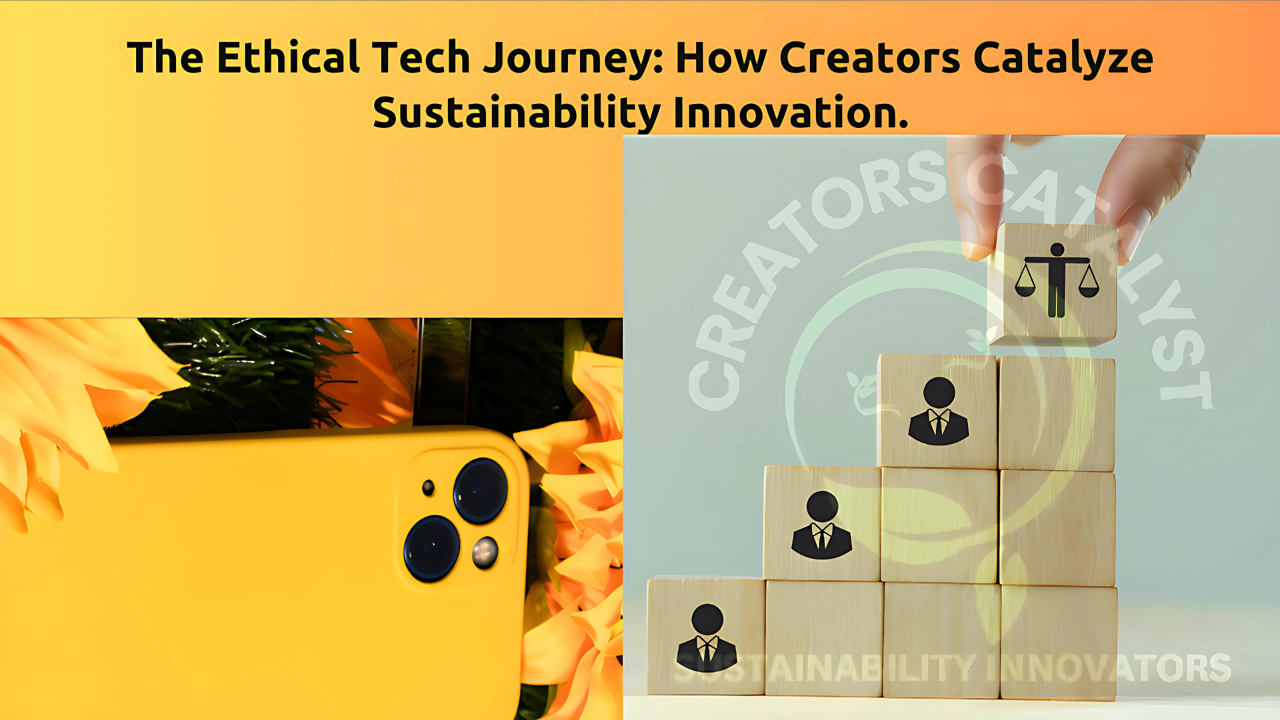
Introduction: In the ever-evolving landscape of technology, the journey towards ethical and sustainable practices has become paramount. As we delve into the intersection of artificial intelligence and diversity, a compelling narrative unfolds—one that not only transforms the technological sphere but also shapes the very fabric of our society. In this blog, we embark on an exploration of the Ethical Tech Journey, focusing on how AI is not just a tool for innovation but a catalyst for positive, sustainable change.

Section 1: The Rise of Ethical Tech In recent years, the tech industry has witnessed a paradigm shift towards ethical considerations. As we grapple with the consequences of rapid technological advancements, the need for ethical frameworks has never been more urgent. Ethical tech is not merely a buzzword; it’s a commitment to creating technologies that benefit everyone, leaving no room for discrimination or harm.

Section 2: Embracing Diversity in AI Diversity in artificial intelligence is a cornerstone of ethical tech. Recognizing that the biases inherent in AI systems can perpetuate societal inequalities, the tech community is actively working towards inclusivity. From diverse datasets to inclusive design principles, the journey involves acknowledging and rectifying biases that may inadvertently be embedded in AI algorithms.

Subsection 2.1: The Importance of Diverse Data One of the primary challenges in AI development lies in the data used to train these systems. Acknowledging this, the industry is actively promoting the use of diverse datasets that represent the richness and complexity of the real world. This shift ensures that AI systems are equipped to understand and respond to the needs of diverse populations.
Subsection 2.2: Inclusive Design Principles Inclusive design is not an afterthought but a guiding principle in the development of AI systems. Tech pioneers are incorporating inclusive design strategies that prioritize accessibility, usability, and fairness. By doing so, they are breaking down barriers and ensuring that AI technologies are accessible and beneficial to users from all walks of life.
Section 3: Sustainable Digital Change As we navigate the ethical tech journey, sustainability emerges as a crucial component. Sustainable digital change involves not only mitigating the environmental impact of technology but also fostering long-term societal benefits. AI, when wielded responsibly, becomes a powerful force for positive change, addressing global challenges and contributing to a sustainable future.
Subsection 3.1: Environmental Impact of AI The rapid growth of AI has raised concerns about its environmental footprint. However, the tech community is actively working towards developing energy-efficient algorithms and promoting sustainable computing practices. This ensures that AI innovation aligns with environmental stewardship, paving the way for a more sustainable digital future.

See What XPRIZE has to say on to, Climate change refers to long-term shifts in temperatures and weather patterns, mainly caused by human activities, especially the burning of fossil fuels.
Subsection 3.2: Societal Impact and Inclusivity Sustainable digital change goes beyond environmental considerations; it encompasses the broader societal impact of technology. By prioritizing inclusivity and addressing ethical concerns, AI becomes a force for positive societal change. From healthcare to education, AI applications are transforming industries, making them more accessible and equitable for all.
Conclusion: The Ethical Tech Journey is a testament to the industry’s commitment to creating a future where technology serves as a force for good. By embracing diversity in AI and fostering sustainable digital change, we pave the way for a more inclusive, equitable, and ethically grounded technological landscape. As we continue on this journey, let us remain vigilant in our pursuit of a future where technology not only reflects the diversity of our world but actively contributes to its betterment.

Your message has been sent

Your message has been sent


Leave a Reply