
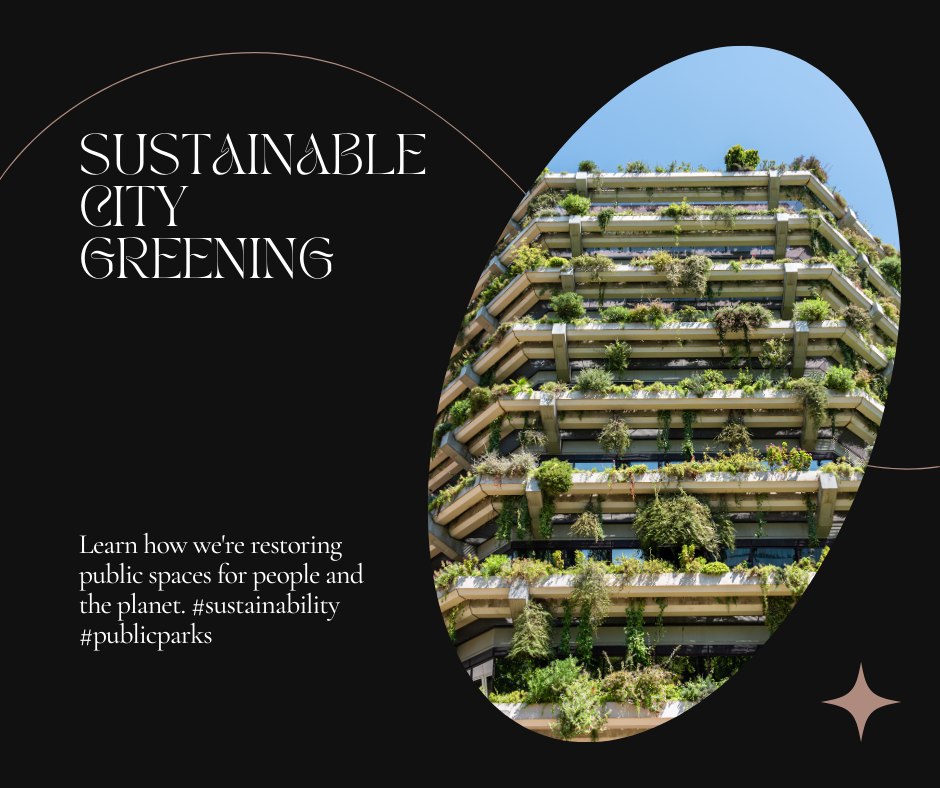

In today’s rapidly growing cities, concrete jungles often dominate the landscape. But amidst the towering buildings, a vital network of green spaces exists, offering a much-needed breath of fresh air – both literally and figuratively. These urban green spaces, which encompass parks, community gardens, and even rooftop gardens, are increasingly recognized as essential elements for creating sustainable cities. Their restoration brings a multitude of benefits for both people and the planet, making them worthy of our attention and investment.
Breathing Easier
Green spaces act as the lungs of the city, absorbing harmful carbon dioxide and releasing life-giving oxygen. This not only combats climate change but also improves air quality by filtering out dust and particulate matter, leaving us with cleaner air to breathe.
Finding Peace and Quiet
The hustle and bustle of city life can be overwhelming. Green spaces offer a sanctuary from the constant noise pollution, providing a quieter and more peaceful environment for residents.

A Haven for Nature
By restoring neglected green spaces, we create havens for wildlife, providing crucial habitat for birds, insects, and small mammals to thrive [1]. This fosters biodiversity within the urban environment, promoting a healthy ecosystem.
Moving Our Bodies
Parks and gardens encourage physical activity and recreation, offering opportunities for residents to walk, run, play, and connect with nature. This leads to a healthier and happier community .
Boosting Mental Wellbeing
Studies have shown that spending time in nature can significantly reduce stress and anxiety, promoting improved mental wellbeing and a better quality of life [1]. Green spaces provide an escape from the daily grind, allowing us to recharge and reconnect with ourselves.
Beyond the Green
The benefits of restoring green spaces extend beyond environmental and health advantages. These vibrant areas can generate income through tourism, local events, and other commercial activities, supporting the local economy.
Protecting Our Resources
Proper management of green spaces is crucial for conserving natural resources. This ensures the continuity of vital ecosystem services, such as water filtration and soil stabilization.
Building Resilience
As we face the challenges of climate change, biodiverse urban green spaces offer important tools for adaptation. They can help regulate temperatures, mitigate the urban heat island effect, and manage stormwater runoff, making cities more resilient in the face of climate change [3].
Connecting the Community
Green spaces function as natural gathering places, providing opportunities for neighbors to connect, recreate, and build a stronger sense of community [2].

Fueling Growth
The presence of green spaces makes cities more attractive to residents and businesses, leading to increased property values, economic growth, and higher municipal revenue [4]. This creates a positive cycle, generating funds for further investment in green infrastructure.
Conclusion
Restoring urban green spaces is not just about aesthetics; it’s an investment in the future. From cleaner air and improved health to stronger communities and a more resilient environment, the benefits are undeniable. By prioritizing the restoration and protection of these vital spaces, we can create sustainable cities that are healthy, vibrant, and in harmony with nature.
Your message has been sent

Your message has been sent
Your message has been sent
Your message has been sent


Leave a Reply