
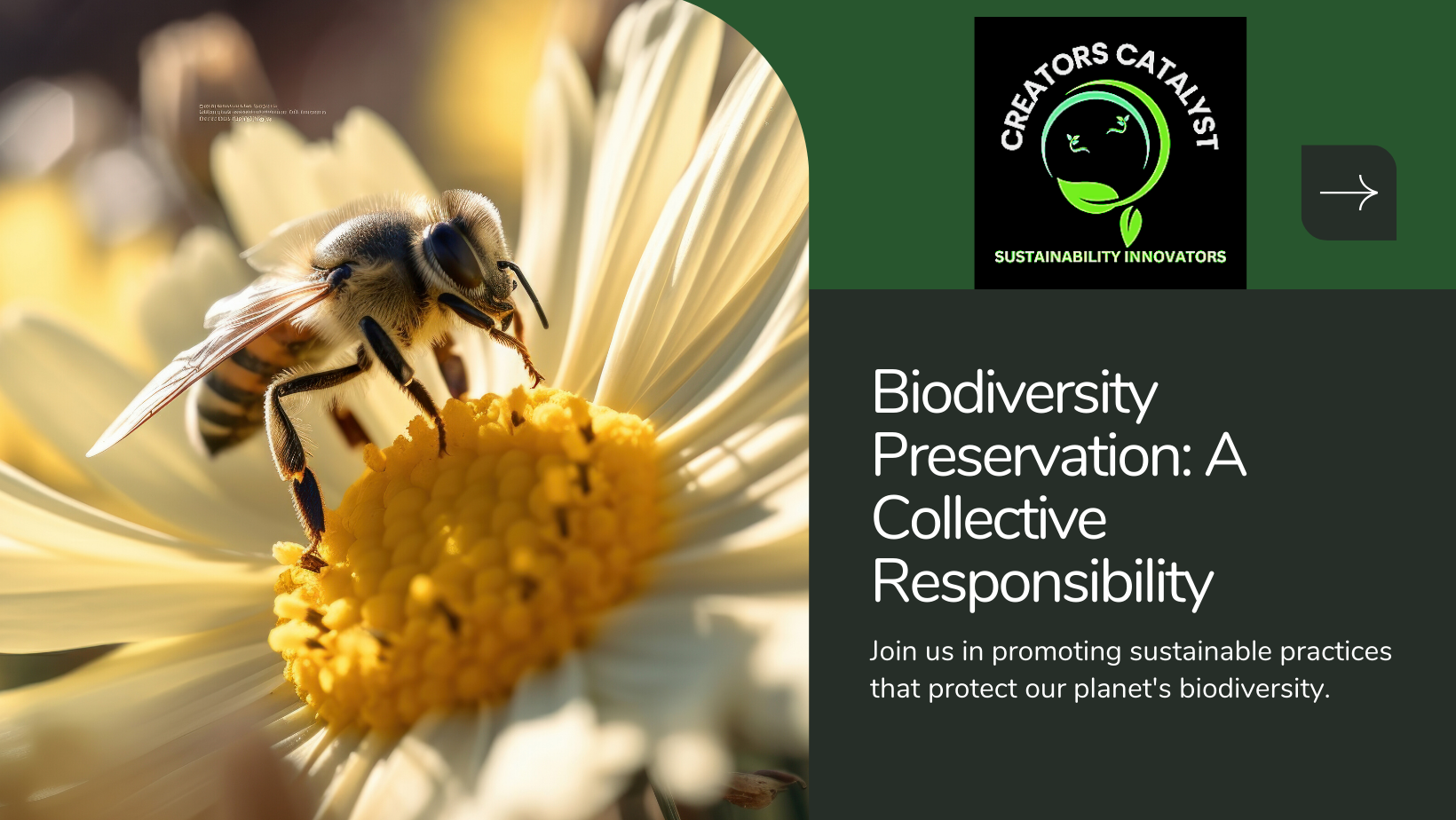
Title: ” Fostering Biodiversity Protection: Ecosystem Rehabilitation and Endangered Species Conservation “
The world is at a crossroads, facing an alarming and urgent crisis – the loss of biodiversity. Ecosystems teem with life, from the tiniest insects to the mightiest predators, and each plays a vital role in maintaining the balance of our planet. As biodiversity continues to dwindle, there’s a growing global focus on the need to preserve and restore ecosystems, as well as protect endangered species. In this blog, we will explore the critical importance of these efforts and why the world is coming together to champion biodiversity conservation.
The Importance of Biodiversity
Biodiversity, the variety of life on Earth, is crucial for the well-being of our planet and its inhabitants. It provides a range of essential ecosystem services, such as:
Ecosystem Stability: Diverse ecosystems are more resilient in the face of environmental changes, such as climate fluctuations, diseases, and natural disasters.
Food Security: Many of the world’s staple foods are reliant on pollinators and healthy ecosystems. Biodiversity loss threatens our ability to feed the growing global population.
Medicine and Pharmaceuticals: Many life-saving drugs and medical treatments are derived from compounds found in diverse plant and animal species.
Climate Regulation: Forests, wetlands, and oceans play a vital role in capturing and storing carbon, helping mitigate climate change.
The Alarming Rate of Biodiversity Loss
The ongoing loss of biodiversity is driven by various factors, including habitat destruction, pollution, overexploitation, and climate change. The extinction rate is estimated to be hundreds to thousands of times higher than the natural background rate. This alarming trend threatens not only the species at risk but also the delicate balance of the ecosystems they inhabit.
Preserving and Restoring Ecosystems
Habitat Restoration: One of the most effective ways to protect biodiversity is to restore and conserve the natural habitats where these species live. This involves reforestation, wetland restoration, and the creation of protected areas.
Sustainable Land Use: Promoting sustainable agriculture and forestry practices helps to reduce the negative impacts of human activities on ecosystems. This includes responsible land management, reducing deforestation, and avoiding monoculture farming.
Urban Biodiversity: Cities can play a significant role in preserving biodiversity. Urban planning that incorporates green spaces, parks, and native plants can create habitats for a variety of species.
Protecting Endangered Species
Legal Protections: Many countries have established laws and regulations to safeguard endangered species. The Convention on International Trade in Endangered Species of Wild Fauna and Flora (CITES) is an international agreement designed to ensure that international trade in wild animals and plants does not threaten their survival.
Conservation Programs: Conservation organizations work tirelessly to protect endangered species. These programs may include breeding and reintroduction efforts, habitat protection, and community engagement.
Public Awareness and Education: Raising awareness about the plight of endangered species is essential. Educating the public about the importance of conservation can lead to support and funding for these efforts.
Global Efforts and Collaborations
The protection of biodiversity is a global responsibility. International organizations, governments, and communities are coming together to address this crisis. For instance:
The United Nations’ Biodiversity Goals: The United Nations has set ambitious biodiversity goals, including the protection of at least 30% of the world’s land and sea areas by 2030.
Collaborative Research: Scientists worldwide are working together to better understand and conserve biodiversity, sharing knowledge and techniques to help protect endangered species.
Eco-Tourism: Sustainable and responsible tourism can provide economic incentives for communities to protect their local biodiversity.
The Ongoing Efforts to Save the Giant Panda
The giant panda is a global symbol of wildlife conservation. Decades of conservation efforts in China and around the world have helped this iconic species recover from the brink of extinction. Through habitat preservation, captive breeding programs, and public awareness campaigns, the giant panda population has increased. It demonstrates that even species with very specific habitat and dietary needs can be saved when people come together.
In a nutshell Preserving and restoring ecosystems, along with protecting endangered species, is not only a moral imperative but also a matter of survival. Biodiversity is the web of life that sustains us all, and its loss has far-reaching consequences. By championing these efforts, we can ensure a harmonious coexistence between humans and the myriad of species that share our planet. The world is waking up to the importance of these endeavours, and it’s time for all of us to play our part in securing a more sustainable and biodiverse future.

The Sobering Truth About Biodiversity Erosion: A Grim Reality
The ongoing loss of biodiversity is not a hypothetical scenario; it is a grim reality that demands our immediate attention. Let’s delve into some staggering statistics and data that underscore the severity of this crisis:
- Extinction Rate: According to the International Union for Conservation of Nature (IUCN), the current rate of species extinction is estimated to be 1,000 to 10,000 times higher than the natural, or background, rate. This means that we are losing species at an alarming pace, far beyond what Earth has experienced for millions of years.
- Habitat Destruction: Habitat loss is one of the primary drivers of biodiversity decline. The World Wildlife Fund (WWF) reports that we lose an estimated 18.7 million acres (7.6 million hectares) of forests annually. This is equivalent to 27 football fields every minute.
- Pollution and Climate Change: The Intergovernmental Science-Policy Platform on Biodiversity and Ecosystem Services (IPBES) warns that pollution, along with climate change, has had devastating effects on biodiversity. Over a third of the world’s land surface and nearly 75% of freshwater resources are now devoted to crop or livestock production. Additionally, rising global temperatures are disrupting ecosystems and endangering countless species.
- Ecosystem Services Decline: Biodiversity loss has profound consequences for the services ecosystems provide. The IPBES estimates that 75% of global food crop types, including fruits, vegetables, and nuts, depend, at least in part, on pollinators. The degradation of pollinator habitats and declining populations jeopardizes our food security.
- Economic Impact: Biodiversity loss doesn’t just affect ecosystems; it also impacts economies. The World Economic Forum reports that the potential economic impact of the loss of nature on the global economy is estimated to be approximately $10 trillion annually by 2050 if we continue on our current trajectory.
“Everything will not be okay if biodiversity is not controlled; our planet’s health and our own survival depend on preserving the web of life that sustains us.”


Leave a Reply