
Discover Creators Catalyst Sustainability Innovators
Climate change affects us all, from bustling metropolises to remote villages. Nature-Based Solutions (NBS) emerge as a beacon of hope, demonstrating that by working with nature, we can build climate resilience globally. This exploration dives into the importance of NBS, sharing real-world examples from India that showcase the impact of harnessing the power of ecosystems.
“India’s Green Revolution: NBS Paving the Way for Climate Resilience”
Why Nature-Based Solutions Matter Everywhere
Preserving Biodiversity: In the heart of India, the Western Ghats have become a biodiversity hotspot, similar is an example of Regenerating Chennai’s Urban Ecosystem. By promoting community-led conservation and sustainable tourism, the region showcases how preserving biodiversity can be a win-win for both nature and people.

Water Security: Mumbai, India’s bustling financial hub, faced water scarcity issues. Through the rejuvenation of the Mithi River and mangrove restoration, the city not only enhanced water security but also mitigated flood risks.

Journey:
Embark on a visual journey through the lush landscapes of the Western Ghats. Witness how community efforts and sustainable practices have transformed this region into a vibrant haven for diverse flora and fauna.

Chennai one of the Metro city of developing country India, a sprawling urban center, has embraced NBS to rejuvenate its urban ecosystem, Through initiatives like afforestation, green roofs, and sustainable urban planning, Chennai has witnessed the revitalization of its green spaces. This showcases how NBS can be applied in densely populated urban areas, fostering a healthier environment for its residents.
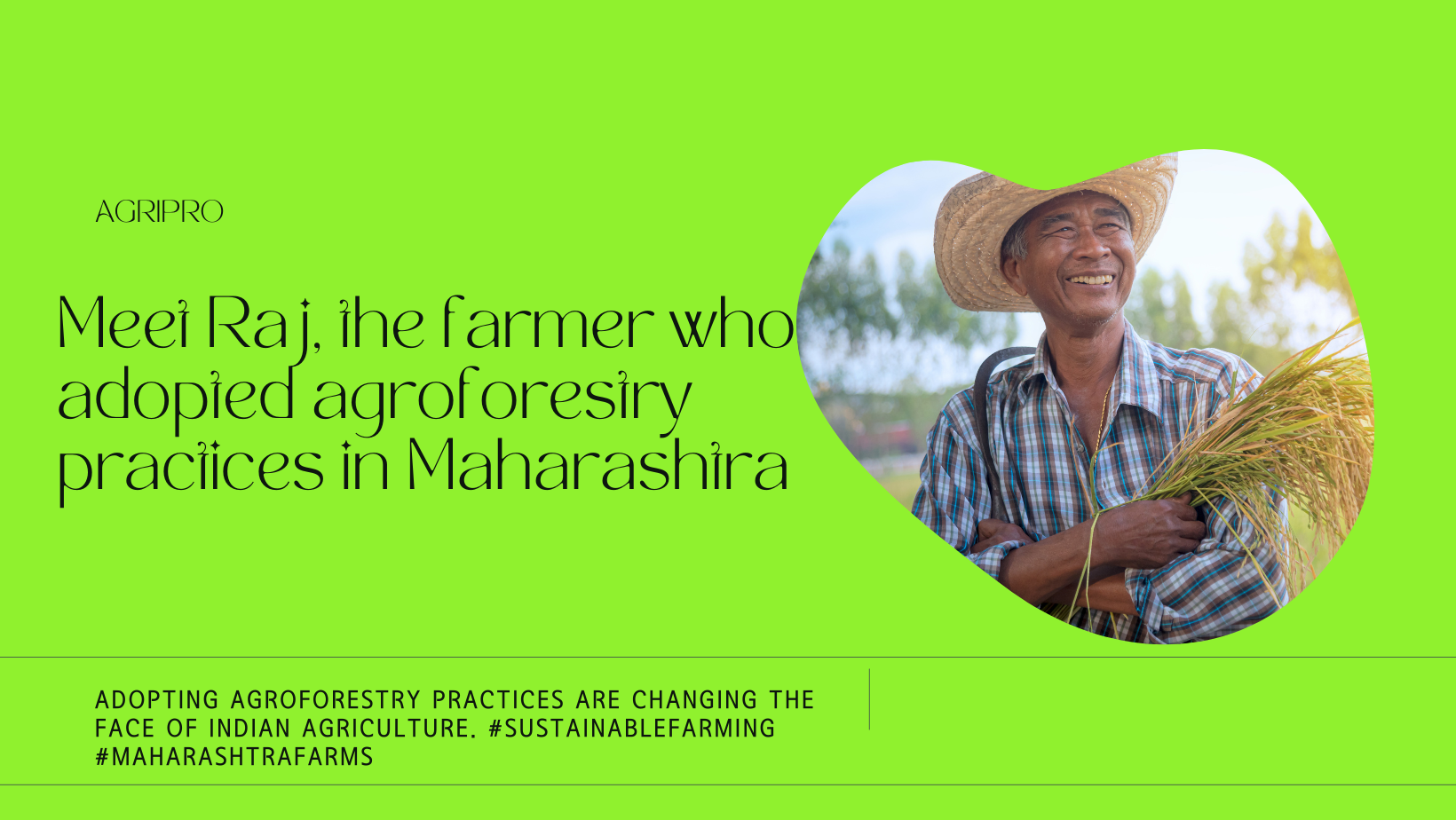
Meet Raj, a farmer from rural Maharashtra. Through agroforestry practices, Raj not only improved soil health but also diversified his income sources. His story exemplifies how NBS can positively impact the lives of individuals on the ground.

Interact with a map showcasing NBS projects across India. Click on markers to reveal stories of transformation, connecting you with communities actively participating in the global movement.

Best Practices Adopted by a Developing Nation:
India’s Afforestation Drive and Global Climate Agreements
India, a prominent player in the global climate stage, has been aligning its Nature-Based Solutions (NBS) initiatives with international climate goals, actively participating in dialogues that shape the future of our planet.

Paris Agreement Alignment:
Connection to Global Climate Goals:
India, a signatory to the Paris Agreement, has committed to increasing its forest and tree cover, contributing significantly to global climate mitigation efforts.


“Afforestation in India”
“India’s climate commitments”
“Paris Agreement and Indian forestry goals”
Significance:
UN Sustainable Development Goals (SDGs):
Connection to Global Climate Goals:
India’s NBS initiatives align with various UN SDGs, particularly Goal 13 (Climate Action) and Goal 15 (Life on Land).
“India and UN SDGs”
“Nature-Based Solutions for climate action”
“Indian initiatives supporting SDGs”
Significance:
Monitoring these keywords allows you to track how India’s NBS practices contribute to broader global sustainability objectives.
Biodiversity Conventions:
Connection to Global Climate Goals:
India actively engages in international biodiversity agreements, aligning its NBS efforts with the Convention on Biological Diversity (CBD) goals.
“India and CBD”
“Biodiversity conservation initiatives”
“Global biodiversity agreements”
Significance:
Providing Value on my own Efforts:
Urban Gardening in Mumbai
Contribution – Lived in the heart of Mumbai, you might think climate-resilient practices are reserved for rural landscapes. However, consider the burgeoning trend of urban gardening – a grassroots movement that not only contributes to local sustainability but also integrates Nature-Based Solutions into the urban fabric.
Rooftop Rainwater Harvesting:
Steps Taken:
- Installed rainwater harvesting systems on your rooftop to collect and store rainwater.
- Used the collected rainwater for watering your plants, reducing dependence on municipal water supply.
Impact:
- Mitigated water scarcity, especially during dry months.
- Reduces pressure on urban water infrastructure.
- Vertical Gardens for Air Quality:
Steps to Take:
- Set up vertical gardens on balconies or exterior walls using native plants.
- Incorporate air-purifying plants to enhance overall air quality.
Impact:
- Improves air quality in densely populated urban areas.
- Enhances the aesthetic appeal of urban spaces.
Community Composting Initiatives:
Steps to Take:
- Initiate or participate in community composting programs.
- Convert kitchen waste into nutrient-rich compost for local gardens.
Impact:
- Reduces landfill waste and methane emissions.
- Provides a sustainable source of organic fertilizer.
By embracing these practical steps, urban dwellers in Mumbai, and any bustling city, actively contribute to a more climate-resilient future. Through small, impactful actions, individuals become catalysts for change, demonstrating that Nature-Based Solutions are not confined to rural landscapes but are accessible and effective in the heart of urban environments. Thanks to Government for making country as Paradise.
The Global Call for Resilience
As climate change continues to impact cities worldwide, resilience becomes a shared priority. Nature-Based Solutions present a holistic approach, enhancing not only environmental but also societal well-being.Top of Form
Conclusion:
India’s journey with Nature-Based Solutions exemplifies the transformative impact of working with, rather than against, nature. As we navigate the complexities of climate change, let us draw inspiration from these stories.
Join the movement. Embrace Nature-Based Solutions.
Together, let’s build a resilient future for communities worldwide.


Leave a Reply