


When Climate Crisis Meets Drug Resistance: The Hidden Connection Reshaping Global Health
Picture standing at the intersection of two global crises so intertwined that solving one without addressing the other becomes impossible. Climate change and antimicrobial resistance—each formidable alone—now converge in ways that amplify threats to human survival. Scientists worldwide sound the alarm: rising temperatures don’t just melt ice caps; they accelerate the evolution and spread of drug-resistant superbugs capable of rendering our most powerful medicines useless. This connection, buried beneath headlines about carbon emissions and hospital infections, represents one of the most urgent yet underreported challenges facing humanity. Understanding how warming planet fuels resistant bacteria opens pathways to innovative solutions that protect both environmental and human health simultaneously.
The convergence of climate change and antimicrobial resistance creates synergies where environmental degradation directly catalyzes the proliferation of drug-resistant pathogens across terrestrial, aquatic, and health systems. Evidence demonstrates that a 10°C increase in ambient temperature correlates with a 2.2% to 4.2% rise in antibiotic resistance among common bacterial pathogens including Escherichia coli, Klebsiella pneumoniae, and Staphylococcus aureus. This relationship is particularly pronounced in regions with lower baseline temperatures and median humidity, as well as in areas with lower socioeconomic status and limited healthcare infrastructure. The mechanisms driving these interconnections span multiple pathways: elevated temperatures accelerate bacterial growth rates and enhance horizontal transfer of resistance genes between microorganisms; extreme weather events disrupt sanitation systems and concentrate resistant pathogens in contaminated water sources; and climate-induced agricultural stress increases antimicrobial use in livestock production systems.

The Mechanistic Links Between Rising Temperatures and Bacterial Resistance
Temperature emerges as a critical environmental variable modulating antimicrobial resistance through multiple biological pathways. Research demonstrates that warming environments directly influence bacterial physiology, genetic exchange mechanisms, and microbial community dynamics in ways that favor resistance persistence and spread. The molecular basis for temperature-dependent resistance involves enhanced metabolic activity at elevated temperatures, which accelerates mutation rates and facilitates the expression of resistance genes. Horizontal gene transfer—the primary mechanism for antimicrobial resistance dissemination—occurs more frequently under thermal stress conditions, with studies showing increased conjugation, transformation, and transduction events in warmer environments. Laboratory investigations reveal that heat stress induces pili formation and cellular aggregation in thermophilic bacteria, promoting DNA exchange and recombination at temperatures reaching 84°C. These findings indicate that climate-driven temperature increases not only expand the geographical range of infections but actively expedite the genetic mechanisms underpinning resistance evolution.
The relationship between temperature and resistance exhibits nonlinear characteristics, with impacts varying across different resistance mechanisms and bacterial species. For third-generation cephalosporin resistance in E. coli, every 1°C rise in average ambient temperature associates with a 2.71% increase in resistance prevalence, while carbapenem resistance shows different temperature sensitivity patterns. Geographic analyses spanning 28 countries demonstrate that nations with 10°C higher mean ambient temperatures experience significantly faster increases in resistance rates, highlighting substantial environmental regulation of resistance dynamics. These temperature effects prove most pronounced at the extremes of transmission temperature ranges, where warming can either facilitate resistance proliferation in previously cold-restricted areas or potentially inhibit transmission at the upper thermal tolerance limits. The heterogeneity in temperature responses across resistance types suggests that climate change impacts will reshape the global resistance landscape unevenly, with certain resistance mechanisms becoming more prevalent while others potentially decline.
Extreme Weather Events as Catalysts for Resistance Spread
Catastrophic flooding represents a particularly dangerous intersection where climate change directly amplifies the dissemination of antimicrobial resistancethrough environmental contamination pathways. Flood events overwhelm sanitation infrastructure, mixing sewage with surface water and creating conditions where resistant bacteria, resistance genes, and antimicrobial residues spread rapidly through aquatic ecosystems. The 2017 cholera outbreak in Yemen, driven by resistant Vibrio cholerae strains, exemplifies how flood-induced damage to water treatment facilities can trigger disease outbreaks with resistant pathogens. Floodwaters transport not only resistant bacteria from human and animal waste but also heavy metals and pollutants that co-select for antimicrobial resistance, creating complex selection pressures that maintain resistance even after antibiotic exposure ceases. The agricultural sector faces severe impacts from flooding, with economic losses and disruptions to food security compelling increased antimicrobial use in compromised farming systems.
Extreme weather events beyond flooding—including droughts, heatwaves, and hurricanes—similarly create conditions favoring resistance proliferation through distinct mechanisms. Drought conditions concentrate pollutants in diminished water bodies, increasing antimicrobial concentrations that select for resistant strains. Water scarcity forces populations to store water in containers, creating breeding grounds for disease vectors like Aedes aegypti mosquitoes that transmit dengue, chikungunya, and Zika—diseases often requiring antimicrobial treatments for secondary bacterial infections. Heatwaves stress both human and animal populations, increasing disease susceptibility and consequently driving higher antimicrobial consumption. Hurricane and storm surges damage healthcare infrastructure, disrupting infection control practices and antimicrobial stewardship programs while simultaneously displacing populations into crowded temporary shelters where infectious disease transmission accelerates. These compounding effects create a vicious cycle where climate-driven disasters both increase antimicrobial demand and enhance the environmental conditions that spread resistance, particularly in low- and middle-income countries with vulnerable infrastructure and limited response capacity.

Vector-Borne Disease Expansion and Antimicrobial Resistance Synergies
Climate change fundamentally alters the geographic distribution, seasonal patterns, and transmission intensity of vector-borne diseases, creating direct pathways to increased antimicrobial resistance through elevated antimicrobial use. Rising global temperatures accelerate mosquito life cycles and pathogen development within vectors, expanding the climatic suitability for diseases like malaria, dengue, and chikungunya into regions previously protected by temperature barriers. The Intergovernmental Panel on Climate Change projects that dengue risk will increase with longer transmission seasons and wider geographic distribution across Asia, Europe, Central and South America, and sub-Saharan Africa, potentially exposing additional billions of people by century’s end. Malaria transmission dynamics respond nonlinearly to temperature changes, with optimal transmission regions. These shifts create complex epidemiological landscapes where previously malaria-free populations lack immunity, requiring more intensive treatment interventions that increase selective pressure for both antimalarial and antibiotic resistance.sciencedirect
The expansion of vector-borne diseases into new geographic areas correlates with increased antimicrobial consumption through multiple pathways. Secondary bacterial infections accompanying viral vector-borne diseases like dengue fever often necessitate antibiotic treatment, particularly in settings with limited diagnostic capacity where empirical broad-spectrum antibiotic use remains common. Malaria treatment increasingly relies on artemisinin-based combination therapies, but resistance to partner drugs such as sulfadoxine-pyrimethamine has emerged, paralleling patterns of bacterial resistance evolution. Climate-induced agricultural stress affects livestock health, prompting increased antimicrobial use in animal production systems while simultaneously creating conditions that favor vector populations. Urban flooding and poor waste management create abundant mosquito breeding sites, increasing vector-borne disease incidence and leading to increased antimicrobial use among affected populations. The mass movement of people and animals displaced by climate events enhances the global spread of resistant microbes across geographic boundaries. These interconnected dynamics demonstrate how climate change acts as a force multiplier of antimicrobial resistance by expanding infectious disease burdens.

Agricultural Intensification and Antimicrobial Consumption Trajectories
The global shift toward intensive livestock production systems represents a major driver of antimicrobial consumption growth, with climate change and food security demands accelerating this transition in middle-income countries. Projections indicate that global antimicrobial consumption in livestock will rise by 67% by 2030, with consumption in Brazil, Russia, India, China, and South Africa (BRICS nations) increasing by 99%—seven times their projected population growth over the same period. This surge stems from two factors: increased animal protein demand as incomes rise, and the transition from extensive farming to large-scale intensive operations that routinely employ antimicrobials at subtherapeutic doses for growth promotion and disease prevention. Intensive farming systems concentrate animals in confined spaces where stress, crowding, and limited genetic diversity create conditions ripe for pathogen transmission, necessitating antimicrobial interventions to maintain productivity. Climate change exacerbates these vulnerabilities by increasing heat stress in animals, compromising immune function and increasing disease susceptibility, which drives higher antimicrobial use.
The environmental consequences of agricultural antimicrobial use extend far beyond treated animals, creating reservoirs of resistance genes and resistant bacteria in soil, water, and agricultural ecosystems. Approximately 50-80% of antibiotics administered to livestock pass through animals unchanged and enter the environment through manure application to croplands and runoff into waterways. Anaerobic digestion of manure at different temperatures reveals that moderate (20°C) and mesophilic (35°C) conditions allow greater persistence of resistance genes compared to thermophilic (55°C) treatment, which more effectively reduces both resistant bacteria and horizontal gene transfer of resistance genes. Soils receiving antibiotic-laden manure show elevated resistance gene abundance, with chemical fertilizer use associated with reduced genome sizes and increased antibiotic resistance capacity in soil microbes adapting to carbon-poor environments. The intersection of agricultural practices, climate variables, and microbial ecology creates complex feedback loops where antimicrobial residues in soil can persist for months, selecting for resistant bacterial populations that contaminate food crops and water supplies. Addressing this agricultural dimension requires comprehensive approaches including antimicrobial stewardship in veterinary medicine, alternatives to growth-promoting antibiotic use, improved manure treatment technologies, and farming system redesigns that reduce reliance on antimicrobial inputs.

Soil Microbial Communities: Carbon Dynamics and Resistance Gene Reservoirs
Emerging research reveals concerning connections between antimicrobial resistance in soil microbiomes, carbon cycling processes, and climate change feedbacks. Soil bacteria carrying antibiotic resistance genes exhibit altered carbon use efficiency—a critical parameter determining whether carbon inputs to soil are sequestered as stable organic matter or respired as greenhouse gases. Studies demonstrate that carbon-starved soil environments, characteristic of chemical-fertilizer-intensive agriculture, select for bacterial species with reduced genome sizes, elevated antibiotic resistance gene abundance, and decreased functional redundancy. These resistance-associated changes in microbial community composition and physiology may reduce carbon use efficiency by diverting metabolic resources toward resistance mechanisms and interspecies competition rather than growth and carbon storage. If this relationship holds at scale, the proliferation of antimicrobial resistance in agricultural soils could diminish soil carbon sequestration potential while increasing greenhouse gas emissions—creating a feedback loop where antimicrobial pollution exacerbates climate change, which in turn amplifies resistance spread.
The mechanisms linking antimicrobial resistance to soil carbon dynamics involve complex interactions between microbial physiology, community structure, and ecosystem function. Microbes adapted to antibiotic-stressed environments invest cellular resources in resistance mechanisms including efflux pumps, enzymatic drug degradation, and target site modifications—processes that require energy and reduce the fraction of carbon allocated to biomass production versus respiration. Viral auxiliary metabolic genes in soil environments facilitate horizontal transfer of both resistance genes and genes involved in carbon metabolism, suggesting tight coupling between resistance and carbon processing capabilities. Climate warming interacts with these microbial processes by accelerating metabolic rates, increasing microbial turnover, and enhancing horizontal gene transfer frequencies—all factors that influence both carbon cycling and resistance gene mobility. The implications extend beyond agriculture to natural ecosystems, particularly in the Arctic where rapid warming threatens vast soil carbon reservoirs and where the interplay between warming and antimicrobial resistance may destabilize carbon stocks with global climate consequences. Addressing these interconnections requires integrated research frameworks combining microbial ecology, biogeochemistry, and earth system modeling to accurately project climate-carbon-resistance feedbacks.

Water, Sanitation, and Hygiene Infrastructure Under Climate Stress
Water, sanitation, and hygiene (WASH) infrastructure represents a critical intervention point where improvements can simultaneously address both antimicrobial resistance and climate change vulnerabilities. Inadequate wastewater treatment allows antimicrobial residues, resistant bacteria, and mobile genetic elements carrying resistance genes to enter aquatic ecosystems, where they persist and spread through drinking water sources, agricultural irrigation systems, and environmental reservoirs. European surveys reveal that antimicrobial resistance genes pervade wastewater treatment plants, particularly in hospital effluent, with conventional treatment processes insufficiently designed to eliminate these genetic elements before discharge into rivers. Climate change intensifies WASH-related resistance risks through multiple pathways: extreme rainfall events overwhelm sewage systems, creating untreated discharge and contaminated floodwaters; droughts concentrate pollutants in diminished water volumes; and temperature increases enhance bacterial survival and gene transfer in aquatic environments. Low- and middle-income countries face disproportionate impacts, as limited wastewater treatment capacity combines with high infectious disease burdens and antimicrobial use to create environmental hotspots for resistance amplification and transmission.Amr-insights explore.brit

Investments in climate-resilient WASH infrastructure offer substantial co-benefits for antimicrobial resistance mitigation. Nature-based solutions including constructed wetlands, bioremediation systems, and phytoremediation approaches provide alternatives to conventional treatment that can effectively reduce antimicrobial residues and resistance determinants while remaining economically viable in resource-limited settings. Constructed wetlands employ biofilm communities—primarily bacteria and microalgae—that naturally metabolize antimicrobial compounds and reduce resistance gene abundance through biological processes. The CARMA project in Tunisia demonstrates implementation of constructed wetlands as tertiary treatment for wastewater used in agricultural irrigation, specifically targeting antimicrobial resistance reduction in reclaimed water. Decentralized treatment systems powered by renewable energy offer climate-smart alternatives for non-sewered communities, reducing both greenhouse gas emissions and antimicrobial pollution. Extending wastewater treatment coverage while upgrading existing facilities to incorporate antimicrobial resistance-targeted processes—including advanced oxidation, membrane filtration, and biological treatment optimization—requires substantial investment but generates returns through reduced disease burden, preserved antibiotic effectiveness, and enhanced climate resilience. Regulatory frameworks must evolve to establish discharge standards that account for antimicrobial resistance risks, apply polluter-pays principles to pharmaceutical manufacturers and intensive livestock operations, and mandate extended producer responsibility for antimicrobial residues entering the environment.
One Health Frameworks: Integrating Human, Animal, and Environmental Health
The One Health approach provides the essential conceptual and operational framework for addressing the interconnected challenges of climate change and antimicrobial resistance across human, animal, plant, and environmental sectors. Defined as an integrated, unifying approach that seeks to sustainably balance and optimize the health of people, animals, and ecosystems, One Health recognizes that these domains are closely linked and interdependent, requiring coordinated action to achieve meaningful progress. The climate-antimicrobial resistance nexus exemplifies why siloed interventions targeting single sectors prove insufficient—bacteria move freely across environmental compartments, resistance genes transfer between human and animal pathogens, and climate stressors simultaneously impact all sectors. International organizations including the World Health Organization, Food and Agriculture Organization, World Organization for Animal Health, and United Nations Environment Programme constitute a Quadripartite partnership advancing One Health implementation through the development of coordinated national and global action plans. This collaborative structure aims to mainstream One Health approaches, support countries in establishing national targets, mobilize investment, promote whole-of-society engagement, and enable learning exchanges across regions and sectors.pmc.ncbi.nlm.nih+6
Operationalizing One Health for climate-antimicrobial resistance mitigation requires specific interventions spanning surveillance integration, antimicrobial stewardship across sectors, infection prevention and control, and environmental management. Integrated surveillance systems collect and analyze data on antimicrobial resistance, antimicrobial use, infectious disease incidence, and environmental contamination across human health, veterinary medicine, agriculture, and environmental monitoring programs. These systems enable identification of resistance emergence hotspots, tracking of resistance gene transmission pathways, and evaluation of intervention effectiveness. Antimicrobial stewardship programs optimize antimicrobial use in human healthcare, veterinary practice, and agricultural production through evidence-based prescribing guidelines, diagnostic stewardship, and restrictions on non-therapeutic uses. The European Union’s experience demonstrates that phasing out antimicrobial growth promoters in livestock production is feasible without compromising animal welfare or productivity when combined with improved animal husbandry, biosecurity measures, and alternative health management strategies. Environmental interventions addressing upstream drivers—including wastewater treatment enhancement, regulation of pharmaceutical manufacturing emissions, sustainable agricultural practices, and climate adaptation measures—prove critical for long-term resistance control. Building global coalitions that align policies across sectors, invest in research and infrastructure, create incentives for antimicrobial innovation and conservation, and strengthen governance accountability represents the ultimate goal of One Health approaches to these intertwined crises. Pnas
Sustainable Development Goals and Global Policy Responses
Antimicrobial resistance and climate change directly undermine progress toward multiple Sustainable Development Goals, particularly those addressing health and well-being (SDG 3), clean water and sanitation (SDG 6), sustainable food systems (SDG 2), and poverty reduction (SDG 1). Failure to control antimicrobial resistance could cause 10 million deaths annually by 2050 while reducing global GDP by 1.1% to 3.8%, with low- and middle-income countries experiencing 5-7% GDP declines and losses totaling $100-210 trillion. Climate change compounds these impacts by increasing infectious disease burdens, displacing populations, disrupting agricultural production, and straining healthcare systems already stressed by antimicrobial resistance challenges. The convergence of these crises creates barriers to achieving universal health coverage, food security, and equitable development outcomes, particularly affecting vulnerable populations including women, refugees, the poor, and illiterate communities who bear disproportionate disease burdens. Recognizing these interdependencies, the United Nations Environment Programme emphasizes that tackling environmental dimensions of antimicrobial resistance is imperative for maintaining global progress toward the SDGs.
International policy responses increasingly acknowledge the climate-antimicrobial resistance nexus through coordinated frameworks and target-setting. The 2024 United Nations General Assembly High-Level Meeting on Antimicrobial Resistance provided a recalibration opportunity to inspire greater international cooperation, strengthen global governance, and establish momentum toward long-term antimicrobial resistance goals. Proposed targets include achieving a 10% reduction in deaths attributable to antimicrobial resistance, a 20% reduction in inappropriate human antibiotic use (while ensuring universal access to essential antibiotics), and a 30% reduction in inappropriate animal antibiotic use by 2030—goals achievable through enhanced infection prevention and control, improved water, sanitation, and hygiene infrastructure, expanded vaccination coverage, and antimicrobial stewardship programs. The Chinese forecasting study demonstrating that achieving sustainable development goals in low-resource countries could reduce global antimicrobial resistance levels by more than 5%—twice the impact of halving human antibiotic use—underscores the critical importance of integrated development approaches. National Action Plans on Antimicrobial Resistance, adopted by 170 countries and 108 of which have commenced implementation, provide vehicles for translating global commitments into context-specific strategies. However, challenges persist regarding resource mobilization, multisectoral coordination, and subnational implementation. Aligning antimicrobial resistance mitigation with climate action, biodiversity conservation, and sustainable development creates synergies that yield multiple benefits across environmental and health domains.
Surveillance Systems and Data-Driven Decision Making
Robust surveillance systems form the foundation for understanding antimicrobial resistance epidemiology, tracking trends, informing treatment guidelines, and evaluating intervention effectiveness, yet significant gaps remain in surveillance capacity and data quality, particularly in resource-limited settings. The World Health Organization’s Global Antimicrobial Resistance and Use Surveillance System (GLASS) provides standardized approaches for collecting, analyzing, and sharing national antimicrobial resistance data through two technical modules: GLASS-AMR focusing on resistance patterns in clinical bacterial isolates, and GLASS-AMC addressing antimicrobial consumption measurement. As of 2019, 66 countries contributed data to GLASS representing 64,761 institutions and over two million patients, though this coverage remains insufficient for comprehensive global resistance mapping. Regional networks including the European Antimicrobial Resistance Surveillance Network (EARS-Net), Central Asian and European Surveillance of Antimicrobial Resistance (CAESAR), and emerging systems in Africa, Asia, and Latin America complement GLASS by providing continent-specific platforms adapted to local contexts and capacities.
Systematic assessments reveal substantial heterogeneity in surveillance methodologies, reporting standards, and quality assurance processes across existing systems, hampering data comparability and limiting utility for cross-border decision-making. A systematic review of 23 national antimicrobial resistance surveillance systems in Africa identified critical gaps, including a lack of external quality assessment in some systems, limited reporting of infection origin and patient demographics, insufficient pathogen type coverage, and inadequate representation of community versus hospital-acquired infections. These limitations impair the ability to estimate true disease burden, identify patterns of resistance emergence, establish evidence-based treatment guidelines, and monitor containment effectiveness. Advancing surveillance capabilities requires investments in laboratory infrastructure, standardized methodologies aligned with GLASS recommendations, integrated data systems linking human-animal-environmental components, digital platforms for real-time data sharing, and capacity-building for data analysis and interpretation. Countries including Laos and Kenya demonstrate progress by integrating antimicrobial resistance data into national electronic health platforms and One Health dashboards, streamlining reporting and facilitating rapid policy responses to emerging threats. The intersection of climate change and antimicrobial resistance demands enhanced environmental surveillance monitoring antimicrobial residues, resistance genes, and mobile genetic elements in water, soil, and agricultural settings to characterize transmission pathways and intervention priorities.
Nature-Based Solutions and Environmental Interventions
Nature-based solutions represent innovative, cost-effective approaches for reducing antimicrobial pollution and resistance gene dissemination while simultaneously delivering climate change mitigation and adaptation benefits. These strategies leverage natural processes to address societal challenges, providing benefits to both human well-being and biodiversity through interventions such as wetland restoration for water filtration, reforestation for carbon sequestration, and green infrastructure for urban cooling. In the context of antimicrobial resistance, nature-based solutions focus on enhancing the natural capacity of ecosystems to degrade antimicrobial compounds, capture resistance genes, and prevent environmental transmission pathways. Constructed wetlands employ carefully designed plant-microbe systems that metabolize antimicrobial residues through biological processes, including microbial degradation, plant uptake, and sorption to soil particles. Research demonstrates that wetlands can achieve 40-90% reduction in antimicrobial concentrations and significant decreases in resistance gene abundance in treated wastewater. The CARMA project, which is implementing constructed wetlands in Tunisia, exemplifies how these systems provide practical solutions for low-resource settings where conventional tertiary wastewater treatment remains economically prohibitive.
Beyond constructed wetlands, diverse nature-based approaches address antimicrobial resistance through environmental pathways. Bioremediation strategies employ selected microorganisms or microbial consortia capable of metabolizing antimicrobial compounds, effectively removing residues from contaminated sites including pharmaceutical manufacturing effluent and agricultural runoff. Phytoremediation utilizes plants with capacities for antimicrobial uptake and degradation, particularly effective in treating agricultural lands receiving manure applications. Biofilm channels in natural water systems harbor bacterial communities that absorb resistance genes and antimicrobial compounds, suggesting that protecting and restoring riparian ecosystems enhances natural water purification processes. Green infrastructure in urban areas—including bioswales, rain gardens, and permeable surfaces—manages stormwater while filtering pollutants and reducing the contaminated runoff that spreads resistance following extreme precipitation events. These interventions align with climate adaptation goals by enhancing ecosystem resilience, improving water security, and reducing flood risks while simultaneously addressing antimicrobial resistance through environmental protection. Scaling nature-based solutions requires supportive policies including updated discharge standards for antimicrobial resistance, financial mechanisms valuing ecosystem services, and integration into national action plans addressing both climate change and antimicrobial resistance.gavi
Low- and Middle-Income Countries: Disproportionate Burdens and Solutions
Low- and middle-income countries face disproportionate burdens from both climate change and antimicrobial resistance, with 1.12 million of the 1.27 million deaths attributable to antimicrobial resistance in 2019 occurring in these nations, including 253,000 children under five years old. Climate vulnerability intersects with weaker health systems, limited infrastructure, constrained resources, and high baseline infectious disease burdens to create compounding risks where each crisis exacerbates the other. Sub-Saharan Africa exemplifies these challenges, with projections suggesting the region could experience the highest antimicrobial resistance mortality rates by 2050 if current trajectories continue, while simultaneously facing severe climate change impacts including altered rainfall patterns, increased drought frequency, and rising temperatures that expand vector-borne disease ranges. South Asia confronts similar dual threats, with India’s monsoon variability and heat extremes combining with high population density, limited sanitation infrastructure, and substantial antimicrobial consumption to create hotspots of antimicrobial resistance. The economic consequences prove devastating, with antimicrobial resistance potentially pushing 28 million people into poverty by 2050, primarily in developing countries, through effects on productivity, livestock production, and healthcare costs. Pmc.ncbi.nlm.nih
Tailored solutions addressing climate-antimicrobial resistance nexus in low- and middle-income countries require context-specific approaches that build on local capacities, leverage south-south cooperation, and mobilize appropriate financing mechanisms. Implementation research demonstrates that antimicrobial resistance interventions must be adapted to local contexts, ensuring cultural appropriateness, economic feasibility, and sustainability within existing health system constraints. Strengthening primary healthcare infrastructure through climate-proofing health facilities, expanding renewable energy for health centers, and enhancing cold chain capacity for vaccines and temperature-sensitive medicines simultaneously improves antimicrobial stewardship capabilities and climate resilience. Community-level interventions including health education, participatory vulnerability assessments, and local action planning empower populations to address interconnected climate-health risks while reducing dependence on antimicrobials through improved disease prevention. Digital health innovations—including electronic surveillance platforms, telemedicine reducing healthcare access barriers, and artificial intelligence-enhanced diagnostic decision support—offer scalable approaches for resource-limited settings. International partnerships providing technical assistance, capacity building, and sustained financing are essential, as evidenced by initiatives such as the Global Antimicrobial Stewardship Accreditation Scheme, which supports low- and middle-income countries in developing comprehensive stewardship programs. Achieving equity in antimicrobial resistance and climate responses requires that high-income countries fulfill commitments for climate finance, technology transfer, and global health security investments, recognizing that pathogen resistance and climate impacts transcend borders. PMC.ncbi.nlm.nih+9
Future Research Directions and Innovation Priorities
The nascent state of climate-antimicrobial resistance research creates substantial opportunities for transformative investigations that bridge disciplinary boundaries and generate actionable knowledge for policy and practice. Priority research areas span mechanistic studies elucidating molecular pathways linking climate variables to resistance evolution, epidemiological investigations quantifying climate-resistance associations across diverse settings, intervention research evaluating the effectiveness of solutions, and modeling efforts projecting future scenarios under different climate and policy pathways. Mechanistic investigations should explore how specific climate stressors—including temperature extremes, humidity fluctuations, UV radiation changes, and extreme weather events—influence horizontal gene transfer efficiency, mutation rates, bacterial stress responses, and resistance gene expression at molecular and cellular levels. Understanding whether these relationships vary across bacterial species, resistance mechanisms, and environmental contexts will inform targeted interventions. Longitudinal cohort studies tracking resistance patterns alongside climate variables in diverse populations, integrating human clinical data with environmental surveillance and animal health monitoring through One Health frameworks, will strengthen causal inference regarding climate-resistance relationships. Sfamjournals.onlinelibrary.wiley
Innovation priorities extend beyond traditional research to encompass technological development, policy experimentation, and transdisciplinary collaboration models. Advanced diagnostics enabling rapid, point-of-care pathogen identification and resistance profiling can reduce inappropriate antimicrobial use while informing stewardship decisions—critical capabilities as climate change increases infectious disease burdens. Artificial intelligence and machine learning applications offer potential for predicting resistance emergence based on climate projections, optimizing surveillance resource allocation, and generating early warning systems for resistance hotspots. Vaccine development targeting climate-sensitive infections reduces antimicrobial demand while protecting vulnerable populations from diseases with limited treatment options due to resistance. Alternative antimicrobial approaches including bacteriophage therapy, immunotherapy, and antimicrobial peptides may provide options when climate-driven resistance renders conventional antibiotics ineffective. Earth system models integrating antimicrobial resistance as a biogeochemical process affecting soil carbon dynamics and greenhouse gas emissions will improve climate projections while highlighting resistance-climate feedbacks. Institutional innovations that foster sustained collaboration among climate scientists, microbiologists, epidemiologists, social scientists, economists, and policymakers create the intellectual infrastructure needed to address these interconnected challenges. Establishing climate-resilience research networks linking academic institutions, public health agencies, environmental monitoring programs, and affected communities ensures that investigations address priority needs while building local research capacity in regions most impacted by these twin crises. academic.oup
“Climate change and antimicrobial resistance are not separate crises but interlinked threats requiring urgent, integrated interventions. Understanding their connections illuminates pathways where environmental protection becomes inseparable from preserving antibiotic effectiveness for future generations.”
— Based on findings from Nature Climate Change research
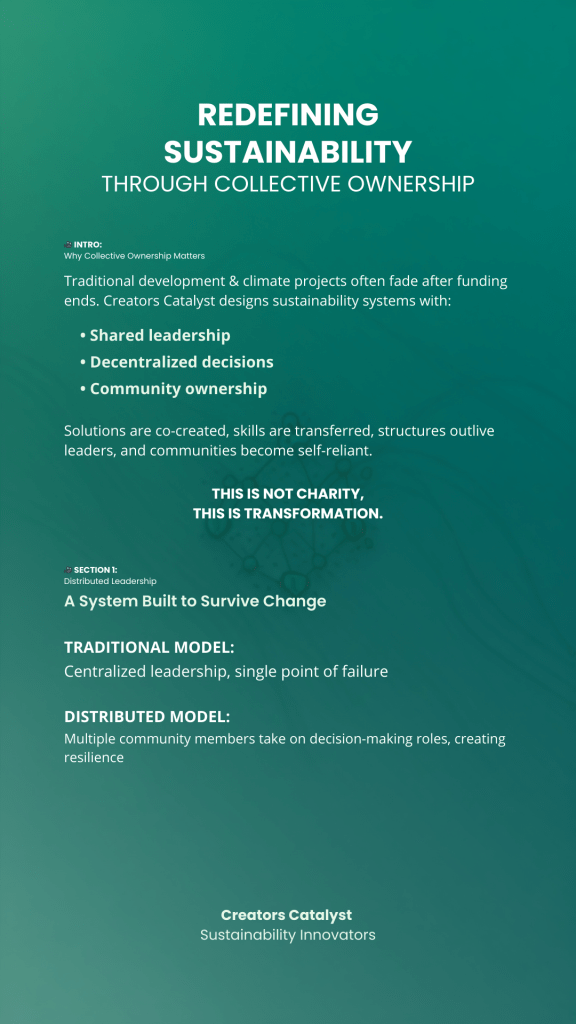
Creators Catalyst – Sustainability Innovators: Value Addition Framework
Addressing the climate-antimicrobial resistance nexus presents exceptional opportunities for sustainability innovators to develop transformative solutions at the intersection of environmental health, climate action, and public health security. The Creators Catalyst framework emphasizes systems-thinking approaches recognizing that interventions in one domain generate cascading benefits across others—precisely the paradigm required for these interconnected challenges. Innovators can pioneer integrated technologies such as advanced wastewater treatment systems incorporating both antimicrobial resistance reduction and resource recovery (water reclamation, nutrient extraction, biogas generation), achieving climate mitigation, pollution control, and circular economy objectives simultaneously. Nature-based solution enterprises developing constructed wetlands, phytoremediation services, and biofilm-based purification systems for emerging markets create businesses that address antimicrobial resistance while generating carbon credits, biodiversity co-benefits, and community resilience. Digital platform innovations that aggregate environmental surveillance data with climate forecasts and disease outbreak information enable predictive analytics services that support public health decision-making, agricultural risk management, and pharmaceutical stewardship. earth
The market opportunity for climate-antimicrobial resistance solutions spans multiple sectors. Healthcare sustainability consultancies help hospitals implement climate-resilient infection prevention protocols, optimize antimicrobial stewardship programs accounting for climate-driven disease pattern changes, and reduce carbon footprints while combating resistance. Agricultural technology ventures developing alternatives to antimicrobial growth promoters—including probiotics, bacteriophages, antimicrobial peptides, and precision animal health monitoring systems—address both livestock emissions and resistance selection pressures. Environmental compliance technology providers create monitoring systems tracking antimicrobial pollution, resistance genes, and co-selective agents in wastewater, enabling facilities to meet emerging discharge standards while demonstrating environmental responsibility. Financing innovations including sustainability-linked loans with antimicrobial resistance and climate key performance indicators, carbon-resistance credit mechanisms, and impact investment vehicles focused on One Health infrastructure mobilize capital toward integrated solutions. Policy entrepreneurs advancing extended producer responsibility frameworks for pharmaceuticals, polluter-pays principles for intensive agriculture, and climate-health convergence in national development plans create enabling environments for sustainable business models. Sustainability innovators embracing the climate-antimicrobial resistance nexus position themselves at the forefront of a critical transformation in which environmental protection becomes inseparable from human health security, opening pathways to purpose-driven ventures that generate both financial returns and profound societal impact. pnas
Learning from Experience: An Indian Village’s Climate-Health Journey
In a cluster of villages near Pune, Maharashtra, something extraordinary unfolded over the past year—a grassroots effort demonstrating how communities can address climate change and health risks simultaneously. The nine villages, home to over 9,000 people, began experiencing unusual patterns: water quality deteriorating after unexpected heavy rains, seasonal fevers lasting longer than before, and elderly residents struggling with heat-related illnesses during increasingly intense summer months. The local health center reported rising antibiotic use for waterborne infections, while villagers noticed dried-up wells forcing them to store water in containers—a practice that soon bred mosquitoes and brought dengue cases to the region.
Rather than accepting these challenges as inevitable, the community partnered with health researchers to understand the connections between changing weather patterns and disease risks. Through village dialogues, residents mapped their vulnerabilities: limited drainage creating mosquito breeding grounds after rains, inadequate water storage infrastructure, and gaps in health worker training about climate-sensitive diseases. They discovered that a neighboring village had controlled waterborne illness by improving water purification, boiling water during risky periods, and coordinating with health officials for water quality monitoring. Inspired, they implemented similar measures while adding innovations suited to their context—solar water disinfection systems, improved drainage in flood-prone areas, and community education about recognizing early symptoms of infections.
The most powerful insight emerged not from external experts but from the villagers themselves: prevention proved far more effective than treatment. By addressing environmental conditions that bred disease, they reduced the need for antibiotics while simultaneously preparing for climate extremes. Farmers began practicing water conservation during droughts, reducing stress on crops and animals that otherwise would require antimicrobial treatments. The village health worker, trained to recognize connections between weather patterns and disease risks, initiated early warning activities before monsoon seasons. Within months, waterborne disease cases declined, antibiotic dispensing from the health center decreased, and community members reported feeling more prepared for climate uncertainties. This experience illuminates a fundamental truth: when communities understand how environment, climate, and health interconnect, they discover solutions that protect all three simultaneously—a lesson applicable far beyond one village in Maharashtra.
“Nature-based solutions offer remarkable potential—constructed wetlands and biofilm systems can reduce antimicrobial pollution by 40-90% while simultaneously enhancing climate resilience and biodiversity. Working with ecosystems, not against them, may be our most powerful tool.”
— Synthesized from environmental AMR intervention research
Conclusion: Pathways Forward Demand Immediate Action
The convergence of climate change and antimicrobial resistance represents one of humanity’s most complex challenges, yet this complexity reveals opportunities for integrated solutions delivering multiple benefits simultaneously. Evidence demonstrates unequivocally that rising temperatures, extreme weather events, agricultural intensification, and environmental degradation actively accelerate antimicrobial resistance through mechanisms spanning horizontal gene transfer enhancement, sanitation infrastructure disruption, vector-borne disease expansion, and microbial ecosystem alterations. The burden falls disproportionately on vulnerable populations in low- and middle-income countries where climate impacts intersect with limited health infrastructure, yet the threat transcends borders as resistant pathogens and greenhouse gases circulate globally.
Moving forward requires embracing One Health frameworks that integrate human, animal, and environmental health considerations across all sectors. Nature-based solutions including constructed wetlands, bioremediation, and ecosystem protection offer cost-effective interventions addressing antimicrobial pollution while enhancing climate resilience. Sustainable development investments in water and sanitation infrastructure, healthcare strengthening, and equitable access to essential services generate antimicrobial resistance reductions exceeding those achievable through antimicrobial restriction alone. Enhanced surveillance systems tracking resistance patterns, antimicrobial consumption, and environmental contamination provide the data foundation for evidence-based policymaking. International cooperation mobilizing climate finance, technology transfer, and capacity building for countries most affected by both crises proves essential for global health security.
Call to Action: Individual choices compound into collective impact—support policies integrating climate and health objectives, engage with community-level prevention initiatives, demand accountability from industries contributing to environmental antimicrobial pollution, and share knowledge connecting these issues with wider audiences. Subscribe to our platform for ongoing insights at the intersection of environmental sustainability and health innovation. Join discussions in the comments about climate-health connections in your community. Share this analysis with networks working on climate action, public health, or sustainable development to broaden awareness of these critical linkages. Our collective future depends on recognizing that protecting the planet’s climate and preserving antimicrobial effectiveness are inseparable objectives—progress on one enhances the other, while failure on either jeopardizes both. The time for integrated action is now.
External Resources
- WHO Global Action Plan on Antimicrobial Resistance: https://www.who.int/antimicrobial-resistance/global-action-plan
- One Health High Level Expert Panel: https://www.who.int/groups/one-health-high-level-expert-panel
- Global Antimicrobial Resistance and Use Surveillance System (GLASS): https://www.who.int/initiatives/glass
- Intergovernmental Panel on Climate Change (IPCC): https://www.ipcc.ch
Policy Frameworks:
- Sustainable Development Goals: https://sdgs.un.org/goals
- Paris Agreement on Climate Change: https://unfccc.int/process-and-meetings/the-paris-agreement
- United Nations Environment Programme AMR Resources: https://www.unep.org/topics/chemicals-and-pollution-action/pollution-and-health/antimicrobial-resistance
Research Institutions:
- AMR Insights European Platform: https://www.amr-insights.eu
- Center for Disease Dynamics, Economics & Policy (CDDEP): https://cddep.org
- One Health Trust: https://onehealthtrust.org
Tools & Databases:
- WHO AWaRe Antibiotic Classification: https://adoptaware.org
- Climate and Health Country Profiles: https://www.who.int/teams/environment-climate-change-and-health/climate-change-and-health/country-work










Leave a Reply