
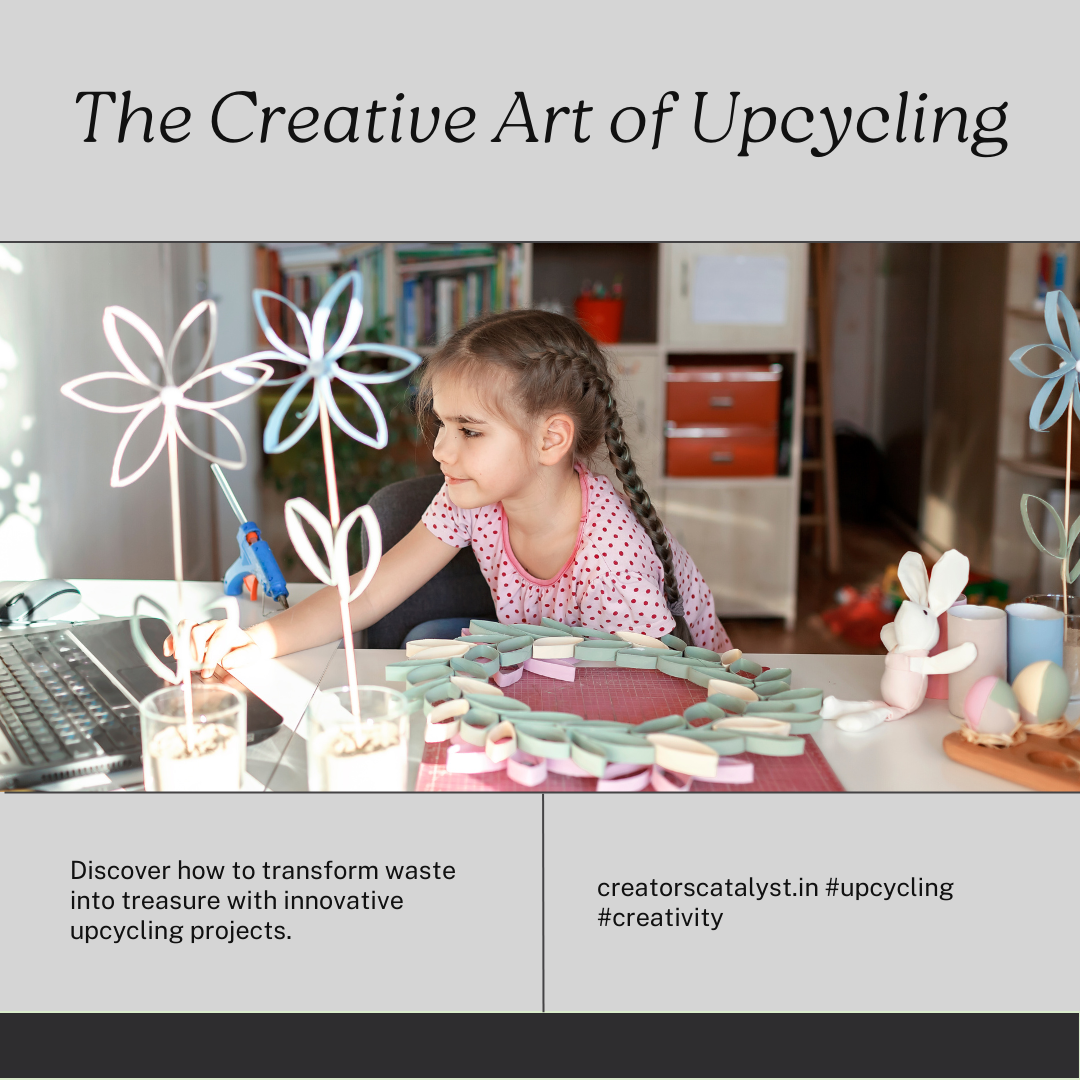
In a world facing environmental challenges, the concept of upcycling stands out as a beacon of hope. Upcycling involves transforming discarded materials into new, valuable products, thereby reducing waste and conserving resources. At its core, upcycling embodies creativity, innovation, and sustainability. Join us on a journey through the exciting realm of upcycling as we explore its potential to turn trash into treasure and pave the way for a more sustainable future.
Amidst the myriad environmental challenges of our era, upcycling emerges as a promising solution. This transformative process breathes new life into discarded materials, crafting them into valuable commodities. By doing so, upcycling not only curbs waste but also preserves precious resources. Rooted in creativity, innovation, and sustainability, upcycling beckons us to delve into its realm, where the ordinary is reborn as the extraordinary. Let’s embark on this journey together, uncovering the potential of upcycling to reimagine waste and forge a path towards a more sustainable tomorrow.
Understanding Upcycling: Upcycling goes beyond traditional recycling by adding value to discarded items through creative repurposing. Unlike recycling, which often involves breaking down materials to their raw form for reuse, upcycling transforms waste into higher-quality products with increased functionality or aesthetic appeal. This process not only minimizes the burden on landfills but also promotes resourcefulness and environmental stewardship.
The Rise of Upcycling Culture: In recent years, upcycling has gained momentum as individuals and businesses embrace sustainable practices. From DIY enthusiasts crafting unique home decor items to fashion designers creating chic garments from reclaimed fabrics, the upcycling movement spans various industries and disciplines. Social media platforms have played a significant role in popularizing upcycling projects, inspiring countless individuals to embark on their own creative endeavors.
Environmental Benefits of Upcycling: The environmental impact of upcycling extends far beyond waste reduction. By repurposing materials and extending their lifespan, upcycling helps conserve natural resources, reduce energy consumption, and minimize greenhouse gas emissions associated with manufacturing processes. Additionally, upcycling reduces the demand for virgin materials, thereby mitigating the environmental damage caused by resource extraction and production.
The ecological advantages of upcycling surpass mere waste reduction. Through the repurposing of materials and the elongation of their usability, upcycling plays a pivotal role in conserving our natural resources, curbing energy consumption, and mitigating greenhouse gas emissions linked to manufacturing. Moreover, by lessening the need for new materials, upcycling aids in alleviating the environmental toll of resource extraction and production processes.
Creative Upcycling Ideas: The possibilities for upcycling are limited only by imagination. From transforming old furniture into trendy statement pieces to crafting jewelry from discarded electronics components, there’s no shortage of creative projects to explore. Here are some innovative upcycling ideas to inspire your next project:
- Repurposed Pallets: Turn wooden pallets into stylish outdoor furniture or vertical gardens.
- Vintage Clothing Revival: Give old garments new life by upcycling them into one-of-a-kind fashion pieces.
- Tire Planters: Transform used tires into colorful planters for your garden or balcony.
- Wine Cork Crafts: Create coasters, trivets, or even artwork using leftover wine corks.
- Plastic Bottle Upcycling: Turn plastic bottles into functional items such as bird feeders, planters, or storage containers.
Upcycling in Business: Beyond individual projects, upcycling presents significant opportunities for businesses to embrace sustainability and innovation. Companies can incorporate upcycled materials into their products, reducing their environmental footprint and appealing to eco-conscious consumers. Moreover, upcycling can foster creativity and differentiation, allowing businesses to stand out in competitive markets while making a positive impact on the planet.

Challenges and Opportunities: While upcycling offers numerous benefits, it also presents challenges that must be addressed. Scaling up upcycling initiatives to meet demand requires innovative solutions for sourcing, processing, and marketing upcycled products. Additionally, consumer education and awareness are essential to promote the value of upcycled goods and encourage sustainable purchasing behaviors.
FAQ
What is the difference between recycling and upcycling?
Recycling involves breaking down materials for reuse, while upcycling adds value to discarded items through creative repurposing.
How can I start upcycling at home?
Yes, many upcycled products are durable and reliable, especially when crafted with care and attention to quality.
Can businesses benefit from incorporating upcycled materials into their products?
Yes, integrating upcycled materials can enhance the sustainability profile of products and appeal to environmentally conscious consumers.
What are some examples of successful upcycling initiatives by businesses?
Several companies have successfully incorporated upcycled materials into their products, such as outdoor gear made from recycled plastics or furniture crafted from reclaimed wood.


Conclusion: Upcycling offers a creative and sustainable solution to the growing problem of waste accumulation. By transforming trash into treasure, we can reduce our environmental footprint, conserve resources, and promote a culture of innovation and sustainability. Whether through DIY projects at home or innovative business ventures, upcycling has the power to shape a more sustainable future for generations to come.


Leave a Reply